A Defined Maintained Edge
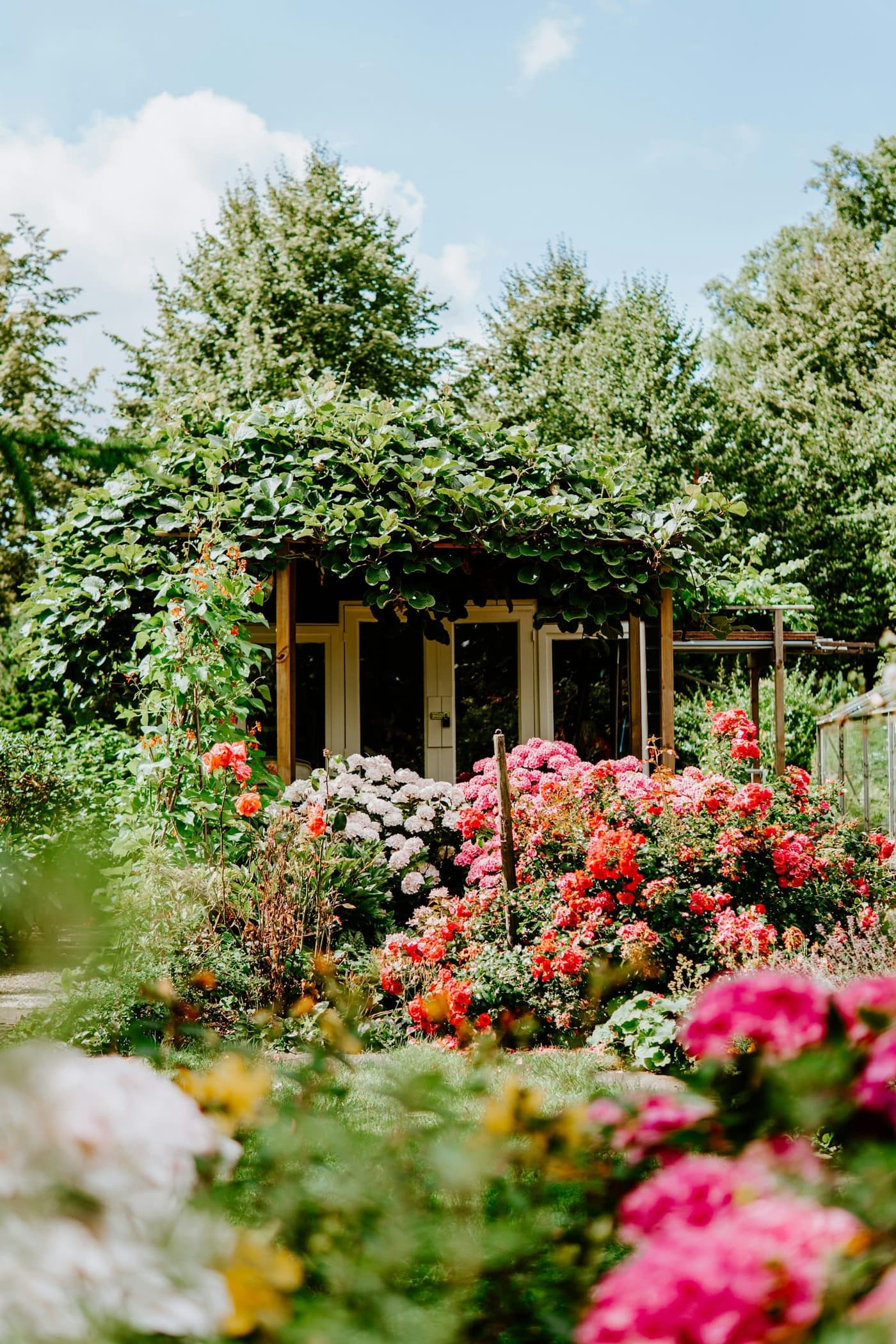
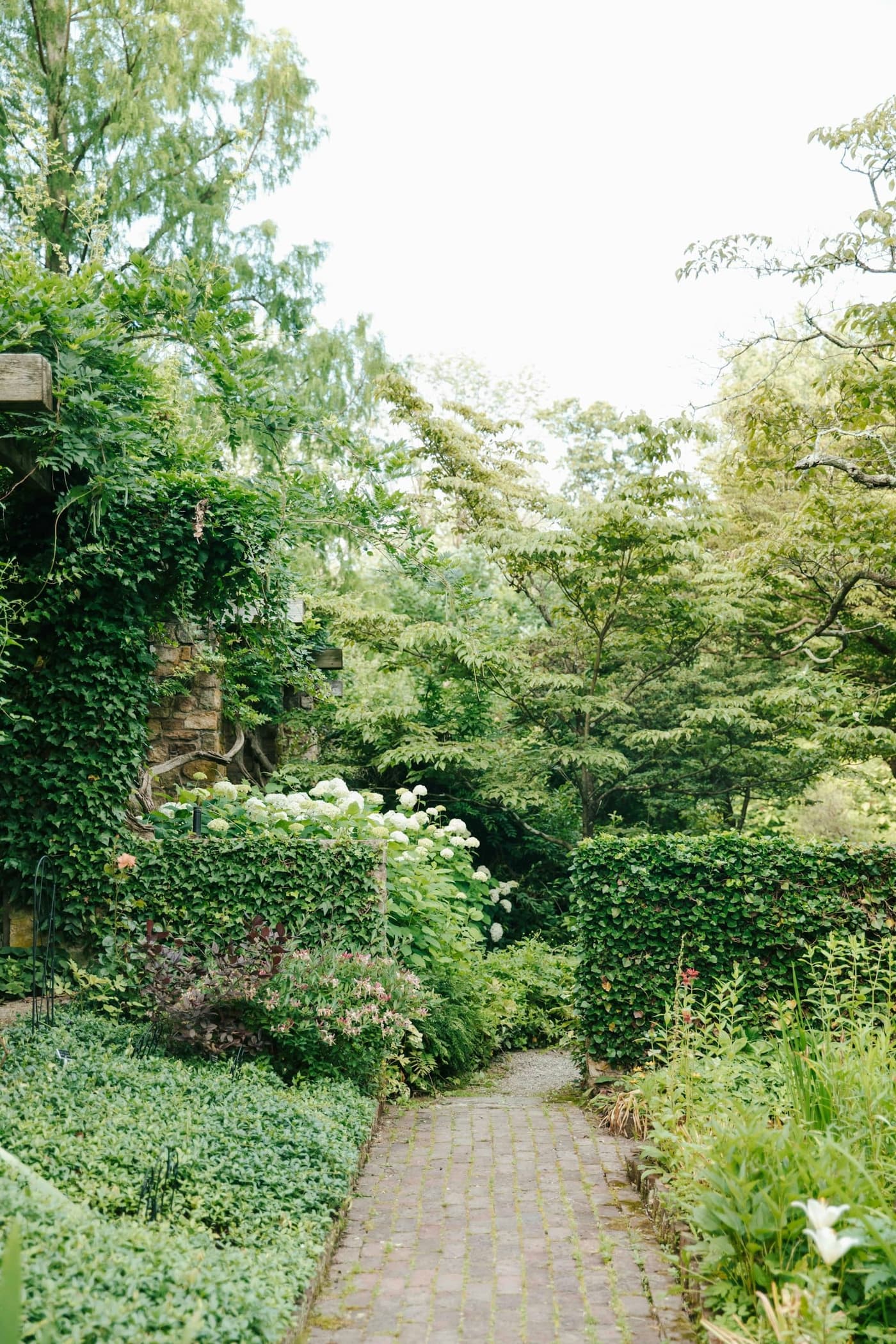
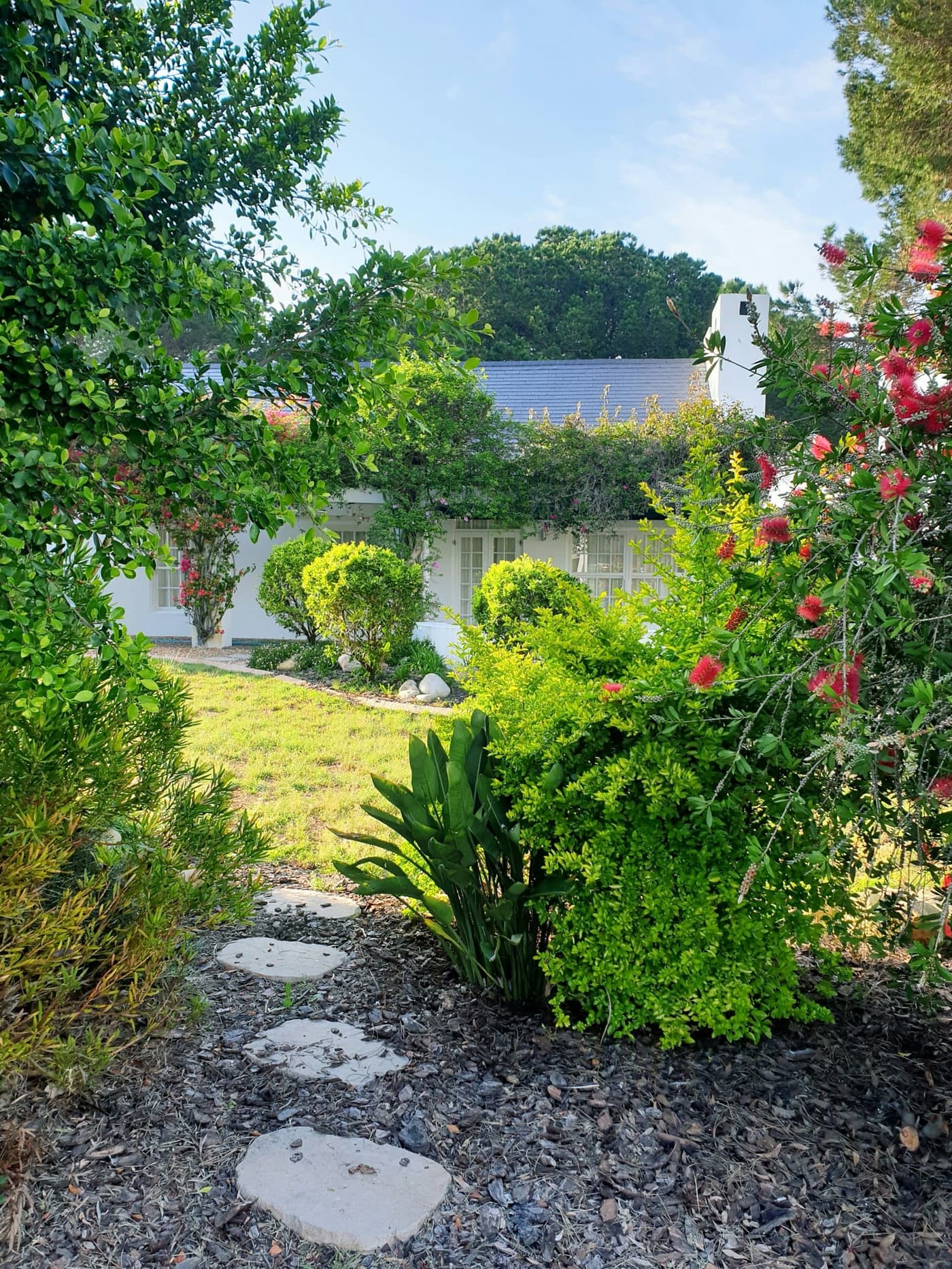
Deciding where kept yard stops and woods begin, then holding that line. It is the single most useful thing you can do on a wooded property.
Chester County · West Brandywine Township
A small village on the East Branch — quiet lanes and properties with real trees.
Lyndell is about as rural as my service area gets: a handful of roads in West Brandywine Township, down along the East Branch of the Brandywine Creek, with wooded lots, gravel lanes and old trees. Properties out here are big, and I am honest about what one person with hand tools can take on. What I am genuinely useful for in Lyndell is the part of the yard nearest the house — the beds, the borders, the shrubs — kept properly so the rest can stay wild.
The Area
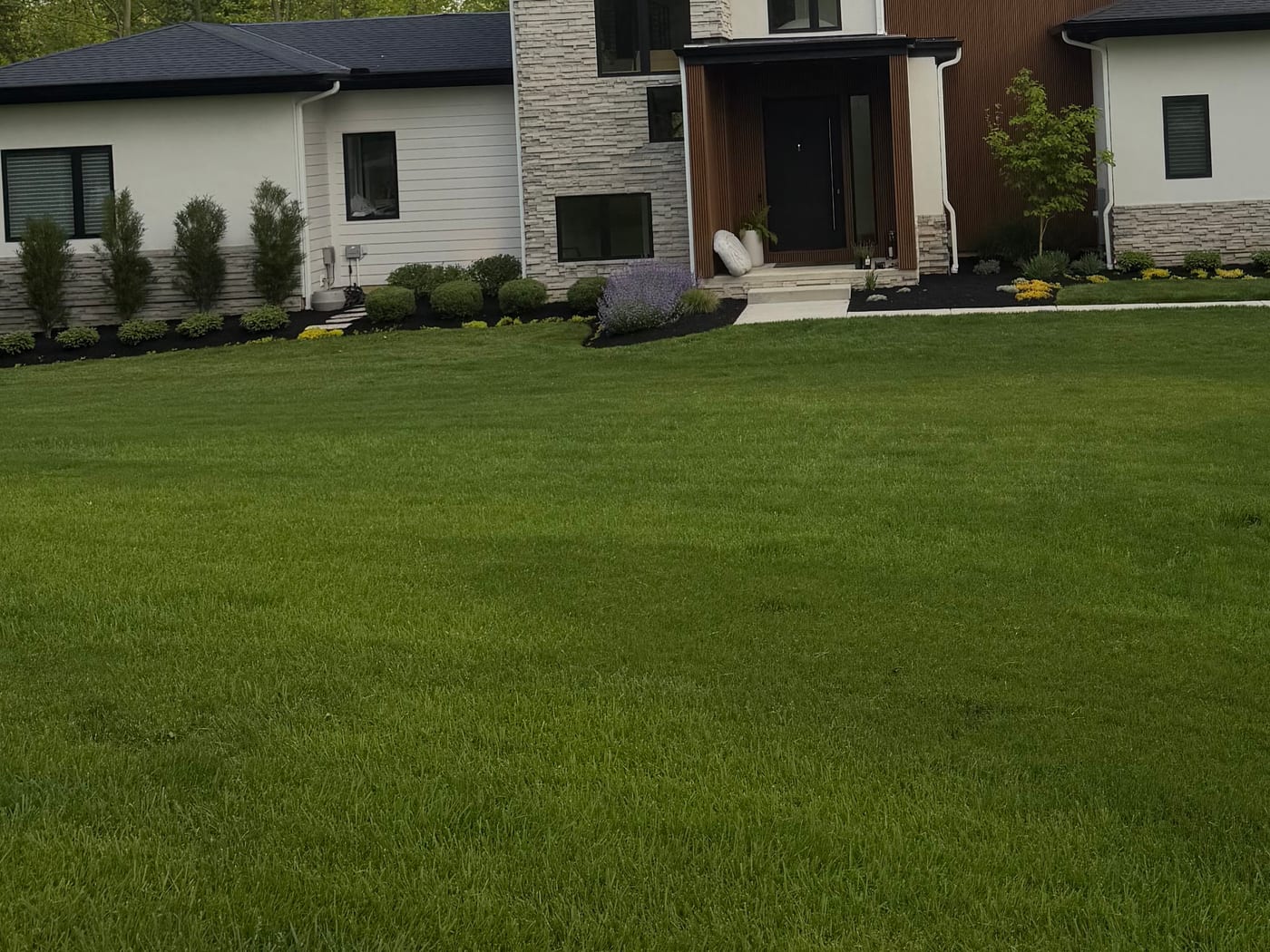
On a wooded Lyndell property, trying to keep everything manicured is a losing fight and honestly not what most people want anyway. The approach that works is a clear line: beds, borders and the ground around the house maintained properly, and beyond that left alone. That is a job sized for hand tools. It also happens to be the way to spend the least for the most visible difference — nobody sees the back three-quarters of a wooded acre from the driveway.
Down near the East Branch the soil holds moisture longer, which grows moss, stiltgrass and jewelweed rather than the sun weeds you get on open lots. Different weeds, same hand-pulling.
Stiltgrass, garlic mustard and mile-a-minute spread along creek corridors and then walk uphill into the beds. Pulling them at the bed edge each year keeps the front from advancing.
No mowers, no truck, no chemicals. Weeds come out at the root, shrubs are cut with hand pruners and loppers, and debris gets bagged and stacked where you want it for pickup. That suits beds, borders and foundation planting; it is not the right fit for acreage.
Local Considerations
Working on rural West Brandywine lots.
Deciding where kept yard stops and woods begin, then holding that line. It is the single most useful thing you can do on a wooded property.
Old canopy on a wooded lot puts down far more leaf than a development yard. Clearing beds and walks matters; clearing the whole property is neither possible by hand nor necessary.
Stiltgrass and garlic mustard pulled before they seed — the only method that actually reduces next year without spraying near water.
Deer pressure is at its worst on the wooded properties. Damaged shrubs pruned back to growth that will recover, and honest advice about what is simply going to keep getting eaten.
Egg masses collect on trunks and fence posts at the woods edge. Scraping them off in winter is slow, satisfying, genuinely useful work.
Lyndell is the far end of my range, so I book it with a bit more notice and usually alongside another job nearby.
Local FAQ
Questions specific to working on properties here. General questions about each job are answered on the service pages.
For the beds and the ground near the house, yes. For acreage, no — I have no mower, no truck and no machinery, and I would rather tell you that than take the job and disappoint you. Plenty of Lyndell properties just want the near yard kept sharp, and that I can do properly.
Yes, with a lift from a parent. Lyndell is the farthest corner of my service area, so give me a little more notice than you would for Chester Springs and I will fit it in.
Most likely Japanese stiltgrass — thin, pale green, with a silvery stripe down the middle of the leaf, and it pulls up with almost no effort. It is an annual, so it lives or dies on seed. Pulling it before late summer genuinely thins it the following year, which is not true of most weeds.
No. Everything comes out by hand. Near a creek that is the right answer anyway, but the honest reason is that hand work is what I am set up for and what I am good at.
Get Started
Thomas Corrigan comes out, walks the yard with you, and gives you a price before any work starts. Free, and no obligation either way.