Overgrown Foundation Shrubs
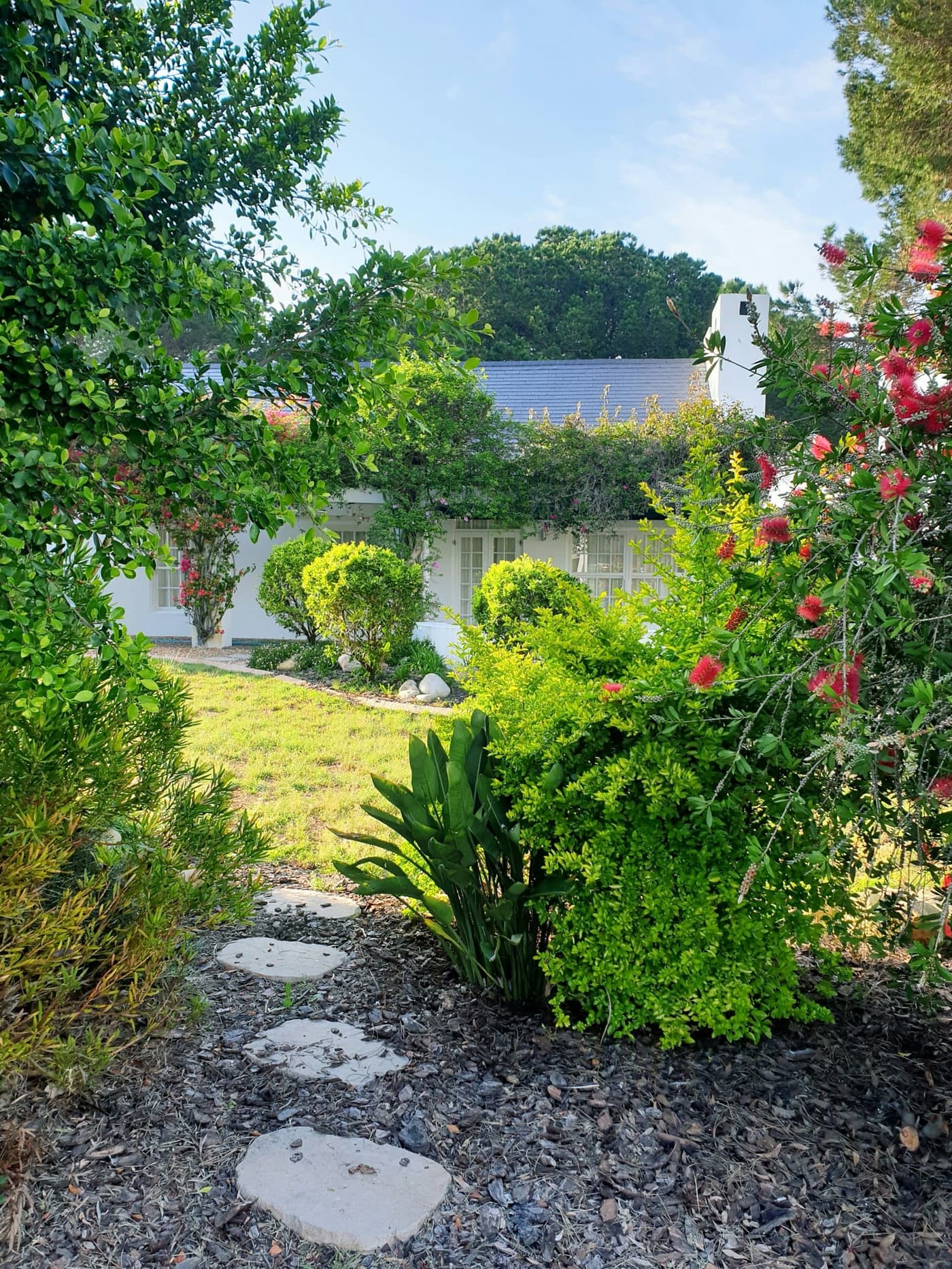
Yews and hollies planted a foot from the wall in the 1990s and never spaced for their mature size. Cutting them back off the house changes the whole front of the property.
Pruning & Trimming
Foundation shrubs planted too close to the house twenty years ago are now covering the windows. Cutting them back properly — rather than shearing everything into a green box — is most of what pruning is for.
What Good Pruning Is
Shearing a shrub all over produces a dense outer shell and a dead, twiggy middle, and it is why so many foundation plantings look tired. Taking older stems out from inside the plant instead lets light into the middle and keeps it growing from the base. Timing matters just as much: anything that flowers in spring — lilac, forsythia, azalea — set those buds last year, so a tidy-up in March removes the whole display. Those get cut right after they finish flowering. Summer bloomers and most evergreens are far more forgiving.
Pruners, loppers and hedge shears. No power equipment, which means slower work and cleaner cuts, and it is the right tool for shrub work anyway.
No ladders, no chainsaws, nothing above about head height. Tree work is dangerous and belongs with an insured arborist — I will tell you when that is what you actually need.
I bag everything and stack it wherever you want it for township pickup. I do not have a truck, so I cannot take debris off-site — worth knowing before you book.
Where This Helps
Yews and hollies planted a foot from the wall in the 1990s and never spaced for their mature size. Cutting them back off the house changes the whole front of the property.
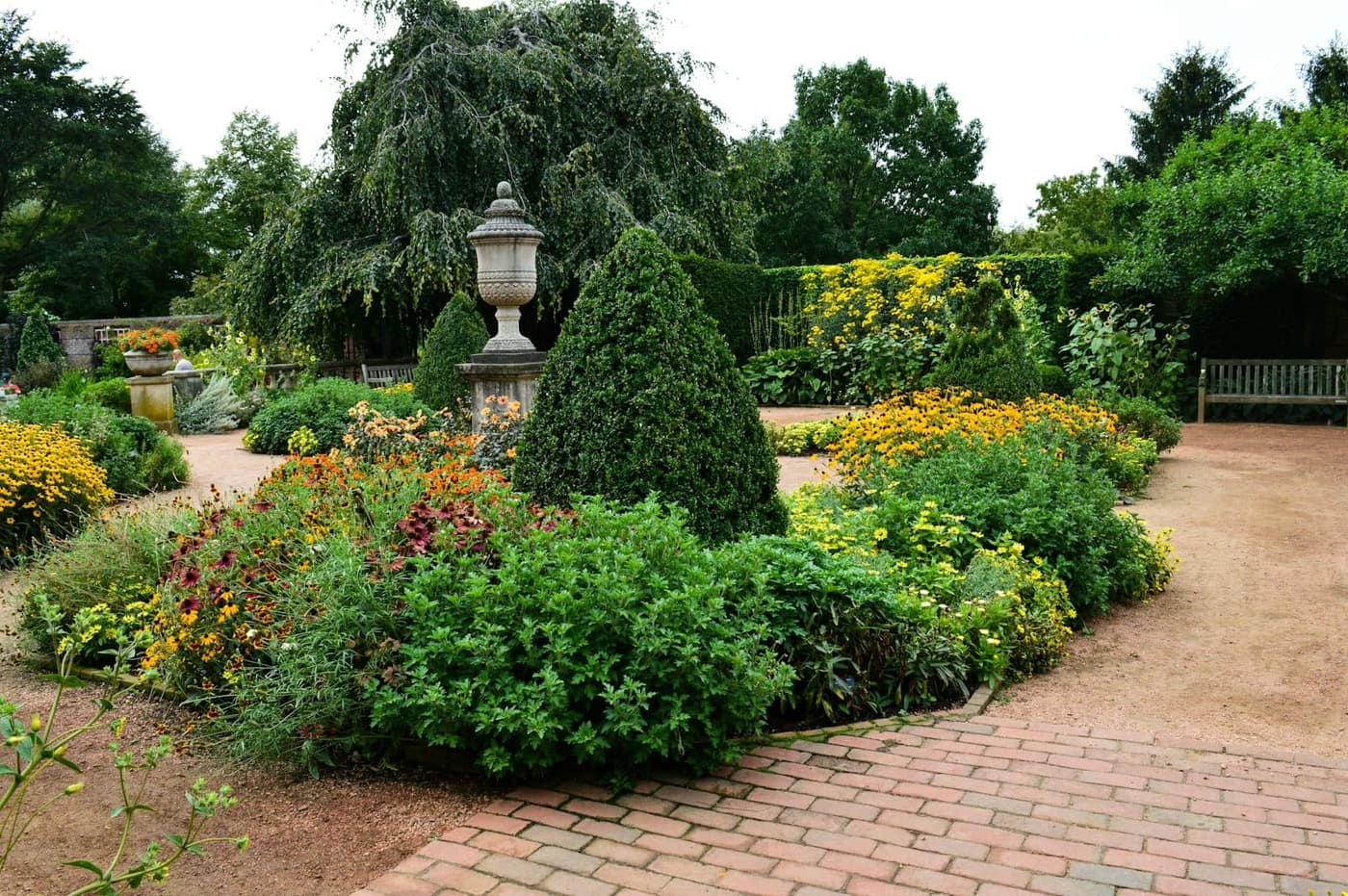
Kept flat, level and slightly wider at the base than the top, so the bottom does not go bare from lack of light.
Spent stems taken down at the end of the season, or in early spring if you would rather leave the seed heads standing for the birds over winter.
Spent flowers taken off through the summer. Tedious, quick to skip, and it keeps a lot of plants flowering for considerably longer.
Anything growing across a walk, over a step, or in front of a window. Usually the reason somebody calls in the first place.
Some shrubs take hard renovation well and some die from it. If cutting a plant back that far would kill it, I will tell you before I start rather than after.
What Happens
We walk around and you tell me how much you want off. Pruning cannot be undone, so I would rather take too little and come back than too much and apologize.
Older stems taken out from the base to open the plant up, dead and crossing growth removed, and shape brought back gradually rather than in one go.
Clippings pulled out from inside the beds — a lot of them fall into the middle of the shrub and get left behind, which is what makes a pruning job look half-finished.
What will grow back, what to leave until after it flowers next spring, and when it is worth me coming back.
Questions
Trees, anything that needs a ladder, and anything requiring a chainsaw or pole saw. I work from the ground with hand tools. For tree work you want an insured arborist, and I will say so rather than attempt it.
It depends on the plant. Spring-flowering shrubs like lilac, forsythia and azalea should be cut right after they flower, because pruning them in late winter removes the buds they already set. Summer bloomers and most evergreens are best in late winter or early spring.
Often, yes — but not always in one season. Many overgrown shrubs come back well if you take about a third out each year over three years. A few will not survive being cut hard at all, and I will tell you which yours is before starting.
I bag them and stack them where you want them for pickup. Without a vehicle I cannot take them off-site, and a big hedge cut makes more volume than people expect.
Get Started
Call or text and I will come look at it. Free estimate, and an honest answer if it is a job for somebody with a ladder.